【News Release】Taiwan Hosts First HSIL Global Health Innovation Hackathon Hub
Taiwan Hosts First HSIL Global Health Innovation Hackathon Hub
31 Teams Showcase Innovative Solutions; Top Two Teams Advance to Harvard to Pitch to International Investors
📌Date: 2026.04.10
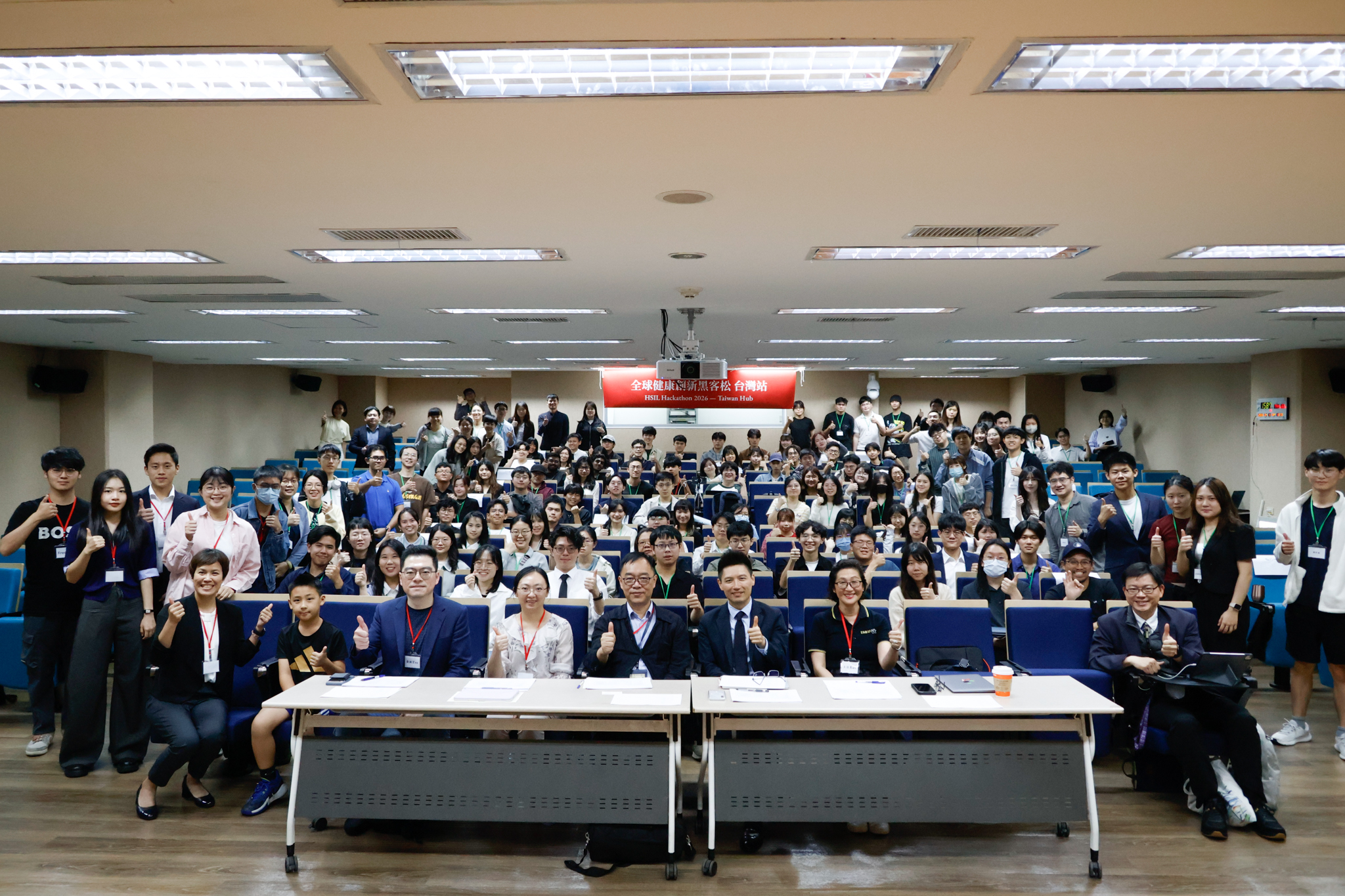
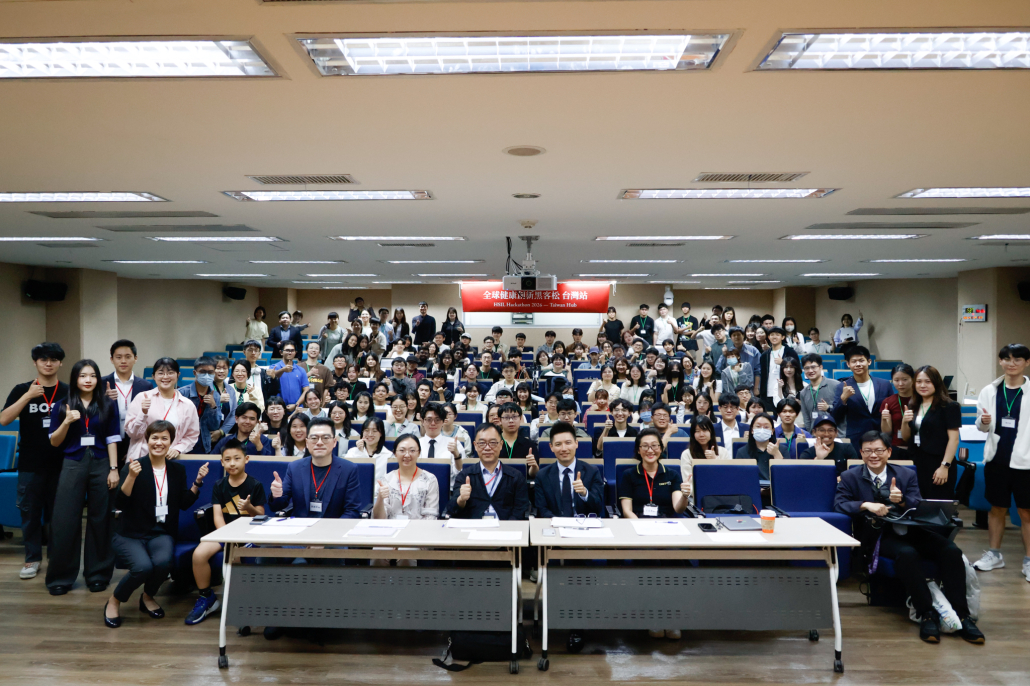
A group photo of participants at the Taiwan site of the Global Health Innovation Hackathon (HSIL Hackathon). Members of the judging panel are seated in the front row. From left to right: Chih-Hung Liu, Director of the Health and Life Sciences Industry, Microsoft Taiwan; Yen-Wen Wang, Professor, Graduate Institute of Health Data Analytics and Statistics, National Taiwan University; Yu-Kang Tu, Vice Dean, College of Public Health, National Taiwan University; Ta-Yu Lee, Professor, Graduate Institute of Health Policy and Management, National Taiwan University; and Chia-Hui Wang, Associate Investment Manager, Taiwania Capital. Together, they witnessed Taiwan’s first participation in the global health innovation network. (Photo courtesy of Prof. Ta-Yu Lee Research Office)
The Global Health Innovation Hackathon (HSIL Hackathon), initiated by Harvard University, established its Taiwan site for the first time in 2026. The event was organized by the research group of Professor John Ta-Yu Lee at the Graduate Institute of Health Policy and Management, College of Public Health, National Taiwan University (NTU), under the Health Economics and Artificial Intelligence Office. The hackathon attracted participants from diverse backgrounds, including engineering, medicine, business, and public health.
Held from April 10 to April 11, the event connected participants from 36 countries worldwide, with more than 14,000 applicants globally. At the Taiwan site, 132 participants formed 31 teams, working intensively over two days to develop innovative health solutions. Ultimately, the top two teams were selected to represent Taiwan at Harvard University, where they will participate in a global training and incubation program and have the opportunity to present their innovations to international investors, demonstrating Taiwan’s growing capabilities in health technology innovation on the global stage.
The Global Health Innovation Hackathon, organized by the Harvard Health Systems Innovation Lab (HSIL), is now in its seventh year. The initiative aims to connect young talents and professionals worldwide to address pressing challenges in healthcare and public health while cultivating the next generation of health innovators and entrepreneurs. Taiwan’s participation this year marks its official entry into the global network and positions the country as an emerging partner in international health innovation.
The Taiwan site, organized by Professor Lee’s research group at National Taiwan University, highlighted Taiwan’s research strength in health and artificial intelligence and created new opportunities for local talent to connect directly with the global innovation ecosystem. By transforming creative ideas into actionable solutions, the initiative further enhances Taiwan’s visibility in the global health innovation landscape. Professor Ta-Yu Lee noted that the hackathon brought together innovative ideas from across five continents and reflected the vision of equitable access to AI-driven healthcare. He also expressed pride in seeing students from different disciplines collaborate beyond academic boundaries and emphasized that, through the guidance of experts from academia, industry, and government, as well as connections to venture capital resources, the next generation is being empowered to translate ideas into real-world impact and ensure that artificial intelligence technology benefits society as a whole.
The planning and execution of the hackathon were carried out entirely by a student team from National Taiwan University. The organizing leads, Arthur C. Kuo, Hui-Ting Hsu, Ai-Ting Yang, and Yi-Hsuan, Liu, were responsible for event planning, international coordination, participant support, and on-site operations. Their efforts demonstrated strong professionalism and teamwork, enabling rapid coordination across institutions and disciplines within a limited timeframe. Their work played a critical role in successfully launching Taiwan’s first participation in the Global Health Innovation Hackathon and marked an important milestone in Taiwan’s engagement with international health innovation initiatives. Kuo shared that truly meaningful innovation rarely begins with technology; it begins with insight—by recognizing problems that may have gone unnoticed but are genuinely worth solving. The true significance of this hackathon lies in bringing people from diverse backgrounds into the same space, each carrying their own insights, and through mutual inspiration and collaboration, transforming ideas into actions that can be implemented in the real world and address real challenges.
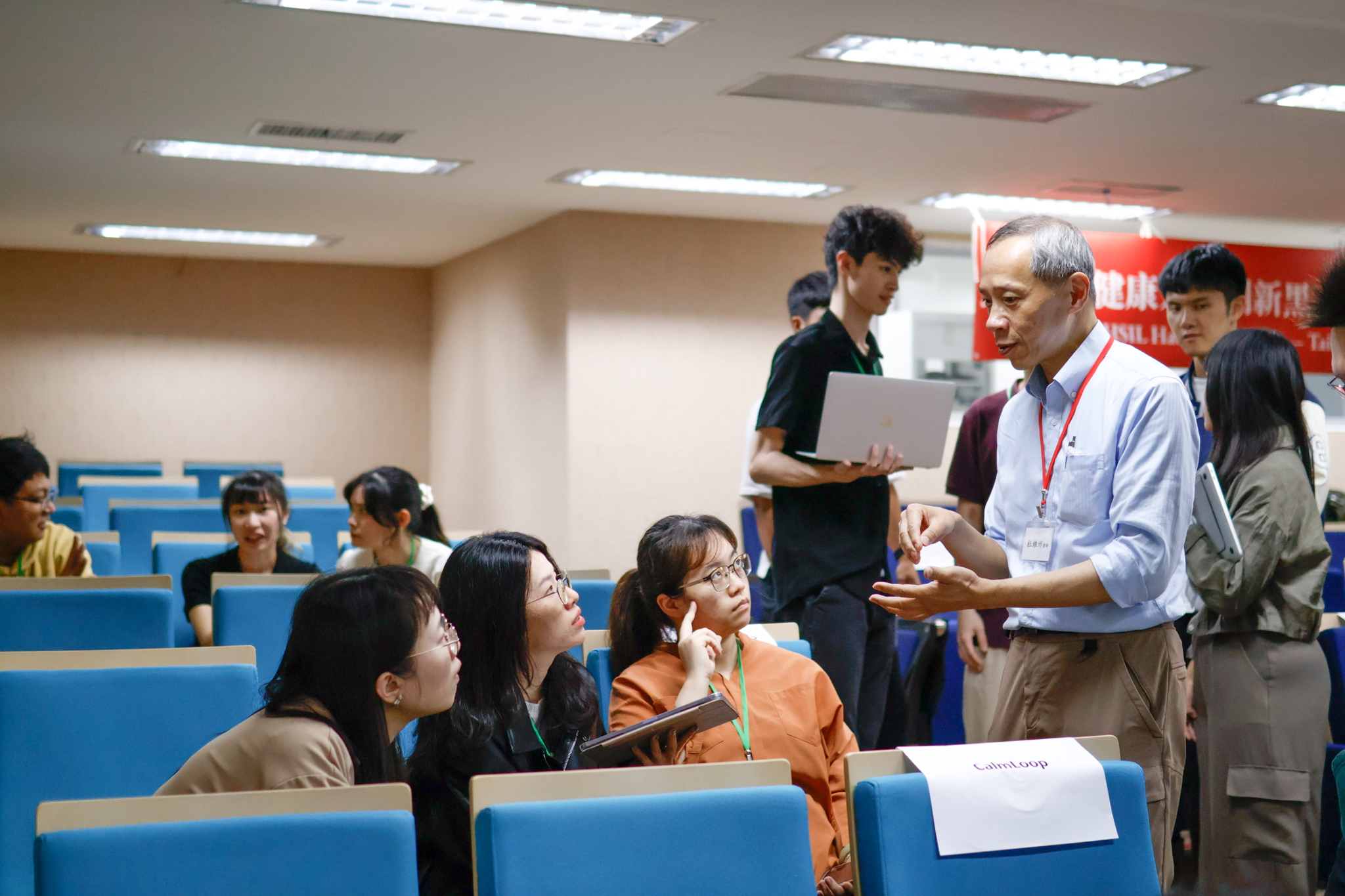
Wei-Jou Duh, CEO of the Artificial Intelligence Center at National Taiwan University (AINTU), served as a mentor during the event, engaging in in-depth discussions with participating teams on solution development and providing professional guidance on artificial intelligence and system applications. (Photo courtesy of Prof. John Ta-Yu Lee Research Office)
During the two-day intensive program, the 31 participating teams collaborated closely under the guidance of mentors, progressing from problem identification to solution design and business model development. Many participants had not previously met before the event but quickly formed teams on-site, demonstrating strong adaptability and teamwork. Experts from academia and industry were invited to serve as mentors and judges, providing real-time feedback and professional insights throughout the competition.
Experts from academia and industry were invited to serve as mentors and judges, providing real-time guidance and professional feedback throughout the competition. The mentor team included Wei-Jou Duh, CEO of AI Research Center National Taiwan University (AINTU); Chin Lin, Director of the Artificial Intelligence Core Laboratory at Tri-Service General Hospital and Professor at the National Defense Medical Center; and Chih-Hung Liu, Director of the Health and Life Sciences Industry at Microsoft Taiwan.
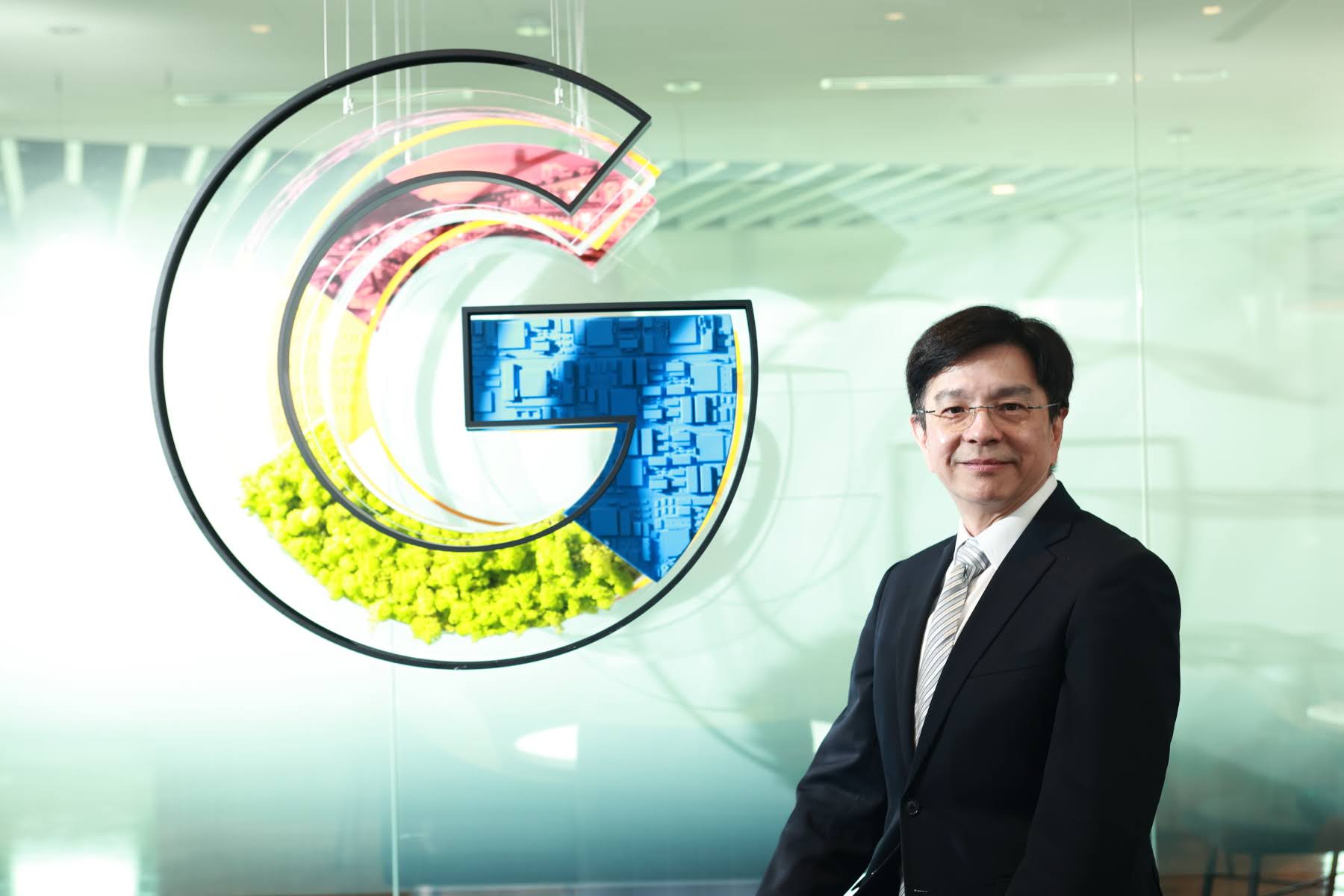
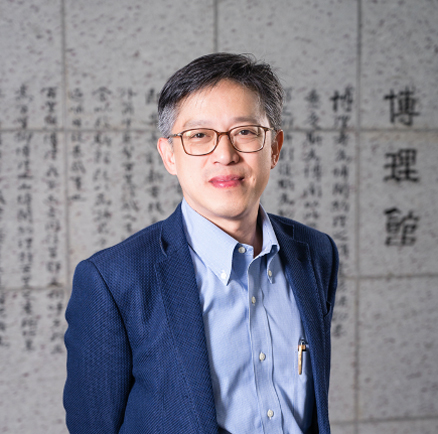
The judging panel brought together distinguished leaders from both academia and the investment sector, including Yu-Kang Tu, Vice Dean of the College of Public Health at National Taiwan University; John Ta-Yu Lee, Professor at the Graduate Institute of Health Policy and Management at National Taiwan University; Yen-Wen Wang, Professor at the Graduate Institute of Health Data Analytics and Statistics at National Taiwan University; Victoria Wang, Associate Investment Manager at Taiwania Capital; and Chih-Hung Liu, Director of the Health and Life Sciences Industry at Microsoft Taiwan. Drawing on their expertise in clinical practice, artificial intelligence, and venture investment, the panel evaluated proposals from multiple perspectives, including clinical relevance, technical feasibility, and business sustainability, providing critical feedback that strengthened the overall quality and international competitiveness of the teams’ solutions.
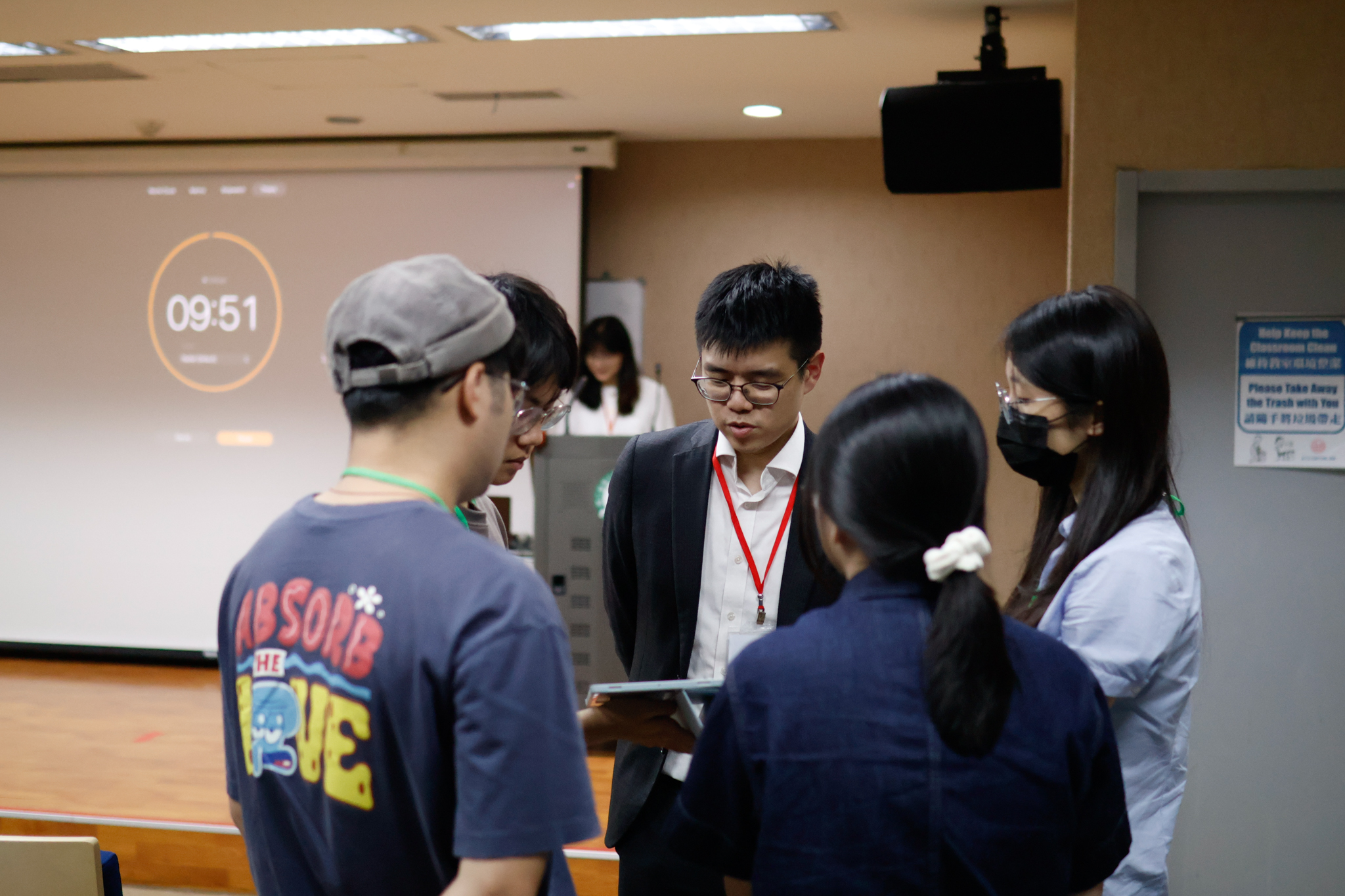
Chin Lin, Director of the Artificial Intelligence Core Laboratory at Tri-Service General Hospital and Professor at the National Defense Medical Center, served as a mentor, guiding participating teams to refine their proposals from the perspectives of clinical needs and medical practice. (Photo courtesy of Prof. John Ta-Yu Lee Research Office)
Following comprehensive evaluation and discussion by the judging panel, the team PhenoCDS received the highest score of 91 points and was awarded first place. ICBigBoss secured second place with 82 points, while The Healthorithm ranked third with 77 points. The top two teams will advance to the global training and incubation program and will have the opportunity to present their solutions to international investors on the international stage.
The three winning teams addressed different aspects of healthcare innovation. PhenoCDS focused on the early identification and diagnosis of rare diseases, using technology to help healthcare providers detect potential cases more efficiently and reduce the time patients spend navigating multiple departments before receiving a diagnosis. The team’s solution, grounded in real clinical needs, was recognized by judges for its strong medical value and societal impact.
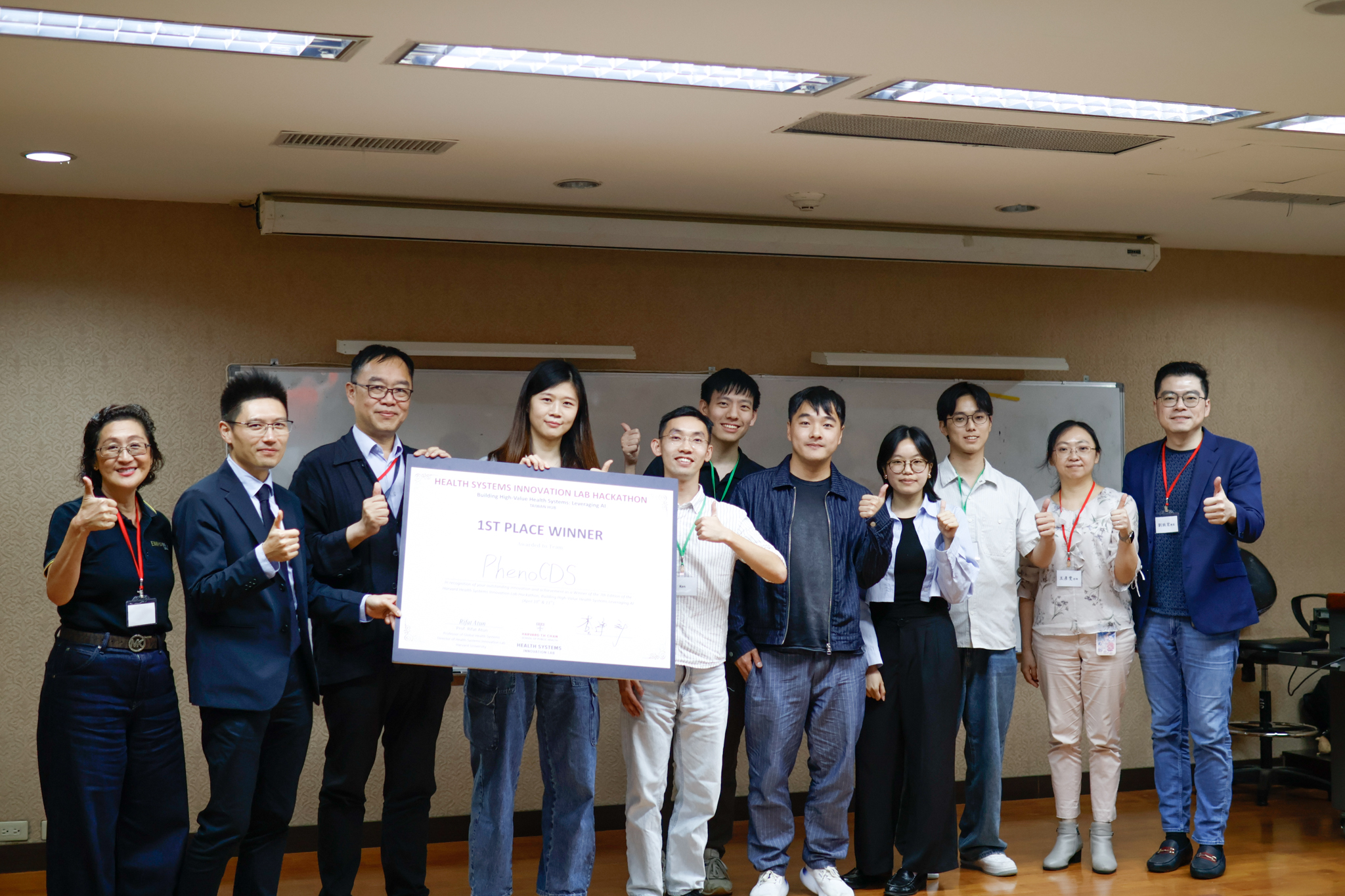
The first-place team of this year’s hackathon, PhenoCDS, poses for a group photo with members of the judging panel. The team will represent Taiwan at Harvard University to participate in the global training and incubation program and continue advancing their innovation onto the international stage. (Photo courtesy of Prof. John Ta-Yu Lee Research Office)
In response to the growing prevalence of visual health problems in the digital age, ICBigBoss developed an integrated system that tracks eye fatigue, assesses risk, and provides personalized eye care recommendations, offering a comprehensive solution that spans prevention and improvement. The product has already achieved substantial development progress and secured patents in both Taiwan and the United States. By enabling continuous monitoring and early warning, the system aims to promote proactive eye health management and reinforce the principle of prevention over treatment.
The Healthorithm introduced HealthPET, a digital health platform powered by multimodal models and generative artificial intelligence designed to improve medication adherence among patients with chronic diseases. The system helps users manage medications more effectively through personalized reminders and adaptive health support. Together, these projects demonstrated the strong potential of integrating health technology with real-world clinical needs and opened new possibilities for the future of healthcare innovation.
Members of the judging panel noted that participating teams demonstrated not only innovative thinking but also the ability to integrate healthcare needs, technical feasibility, and market strategy within a short period of time. The overall performance reflected Taiwan’s strong capabilities in health technology innovation and interdisciplinary collaboration.
As global health challenges become increasingly complex, no single discipline can address them alone. Hackathons provide an effective platform for accelerating interdisciplinary collaboration, rapidly testing ideas, and transforming concepts into practical solutions. The successful launch of the Taiwan site has established a strong connection between Taiwan and the international innovation community and created valuable opportunities for young professionals to bring their ideas to the global stage.
In addition, Professor John Ta-Yu Lee’s course, “Artificial Intelligence in Healthcare,” offered at National Taiwan University and open to public auditing, aims to cultivate talent equipped with interdisciplinary thinking and practical skills. By integrating innovation with real-world application, the course seeks to lay a long-term foundation for the development of Taiwan’s health technology ecosystem. Looking ahead, the organizers plan to continue hosting similar initiatives to strengthen Taiwan’s connections with the global health innovation network and support more teams in bringing their ideas from Taiwan to the international stage.